
Termites still cause some of the most expensive hidden damage in Australian homes, but the best prevention tactics have shifted in the last few years. Building designs, weather patterns, chemical rules, and inspection technology have all changed what “good” looks like. This guide shares home termite control tips that reflect what is working now, not what worked a decade ago.
What has changed about termite risk in Australian homes?
Termite risk has increased in many parts of Australia because warm, wet conditions can extend termite activity windows. Homes also have more complex builds with concealed voids, open-plan additions, and layered landscaping that creates moisture traps.
Modern prevention focuses less on one-off treatments and more on keeping inspection zones visible, moisture low, and protection continuous. These home termite control tips, which align with professional termite inspections Sydney homeowners rely on, start with making the property easier to inspect.
Which termites are most likely to damage homes in Australia?
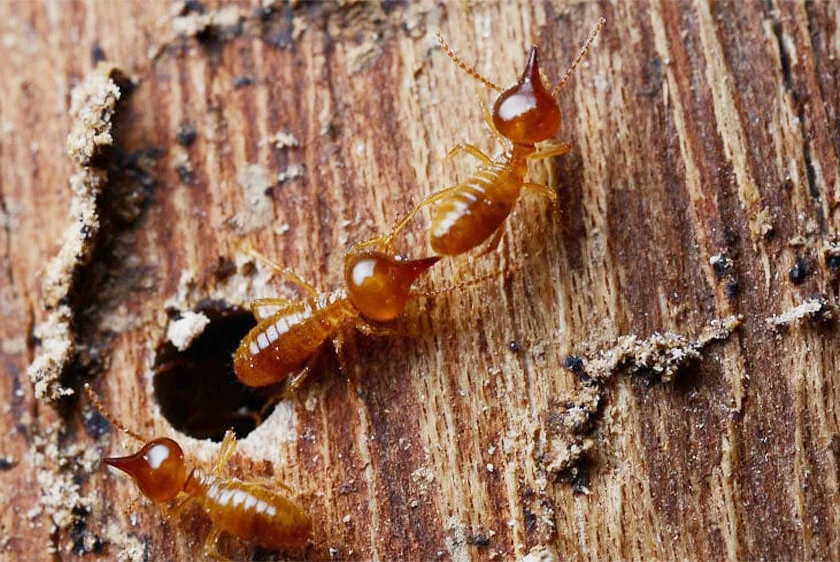
Subterranean termites are the main threat to houses across the east coast, Perth’s urban bush interface, and many regional areas. They live in the soil and build mud leads into timbers, often entering from patios, garden beds, or plumbing penetrations.
Drywood termites exist too, but are less common in most residential settings. The practical takeaway is simple: strong ground-to-structure defences and regular inspections matter most for suburban homes.
Why are inspections more important than “set and forget” treatments now?
They are critical because treatments can be disturbed by renovations, landscaping, drainage changes, or even minor repairs. A barrier installed years ago may no longer be continuous, and homeowners often do not realise it has been compromised.
Regular inspections help spot moisture issues, bridging, and early termite workings before structural timbers are affected. Among all home termite control tips, consistent inspections provide the best value because they catch problems while repair is still manageable.
How often should they organise termite inspections in Australia?
Most Australian properties should be inspected at least annually, with higher-risk homes often needing inspections every six months. Risk increases near bushland, creeks, older suburbs with mature trees, homes with extensions, and any property with a history of termite activity.
They should also book an inspection after major landscaping, re-stumping, bathroom renovations, or drainage works. Those changes can open entry points or alter moisture patterns that termites exploit.
What should they look for between professional inspections?
They can check for mud leads on piers, slab edges, garage walls, and around pipes. They should also watch for bubbling paint, tight doors, sagging skirting boards, pinholes in plaster, and unexplained dusting near timber.
Outdoor clues matter too: soft or hollow-sounding timber, termite mud packing in cracks, and unusually damp patches near downpipes. These quick checks are useful home termite control tips, but they do not replace a trained inspection.
Which moisture issues are now seen as the biggest trigger?
Moisture remains the most consistent driver of termite pressure, and many newer homes still suffer from poor drainage or overflowing stormwater systems. Air-conditioning condensate lines, leaking showers, and garden irrigation pointed at walls are common sources.
They should prioritise fixing leaks quickly, keeping subfloor ventilation clear, and ensuring downpipes discharge away from the house. If they only action one of these home termite control tips, controlling moisture is usually the best bet.
How does landscaping commonly create termite “bridges” today?
Landscaping trends often raise soil levels, add thick mulch, or install garden beds against exterior walls. Those choices can cover slab edges and weepholes, making it easy for termites to enter unseen and hard for inspectors to detect activity.
They should keep soil and mulch well below weepholes, avoid timber sleepers against the house, and maintain a clear inspection gap where possible. Good gardens can still be termite-smart with the right spacing and materials.
What is different about chemical barriers and termiticides in 2026?
Today’s termiticides generally aim for long-term colony suppression rather than instant knockdown, and product selection must suit the site and construction type. Regulations and label directions are also more strictly enforced, which affects how and where products can be applied.
They should avoid DIY chemical applications that may be ineffective, illegal, or harmful to pets and waterways. A licensed technician can also map the treated zone and advise how future works might affect it.

Are baiting systems better than they used to be?
Baiting systems are more strategically used now, especially where chemical barriers are difficult or where ongoing monitoring suits the property. They can be effective when correctly installed, regularly checked, and integrated into a broader management plan.
They are not a “fit and forget” option, because missed services can reduce effectiveness. As home termite control tips go, baiting works best for households willing to keep up with scheduled monitoring.
What role do physical barriers and stainless-steel mesh play now?
Physical barriers are widely used in new builds and some renovations because they do not rely on chemical persistence. Stainless-steel mesh and graded stone systems can block concealed entry at key points like slab penetrations and construction joints.
They still need correct installation, and they can be bypassed if later works bridge over them. The advantage is durability, especially in areas where chemical barriers may be disrupted by water movement or soil changes.
How have building trends affected termite entry points?
Open-plan layouts, tiled slabs, and flush transitions to patios can hide movement and reduce visible inspection zones. Service penetrations have also increased, with more plumbing, electrical, and NBN pathways through slabs and walls.
They should treat each penetration as a potential entry point and keep external slab edges visible. These home termite control tips are especially relevant for modern builds that look “sealed” but still have hidden pathways.
What should they do with decks, pergolas, and retaining walls?
Outdoor timber structures are common launch points because they sit close to soil and can hold moisture. If a deck is attached to the house, termites can move from deck timbers into the main structure without being seen.
They should keep posts on stirrups, maintain clearance from soil, and avoid storing timber, sleepers, or cardboard under decks. Using termite-resistant timbers and keeping good airflow reduces risk without sacrificing outdoor living.
How can they reduce risk when renovating or extending?
They should assume renovations can compromise existing termite protection unless proven otherwise. Cutting slabs, moving plumbing, adding garden beds, or changing drainage can all create gaps in barriers and new moisture sources.
A pre-renovation inspection and a post-renovation review with a licensed termite professional can prevent expensive surprises. Practical home termite control tips here include documenting barrier locations and keeping new work inspection-friendly.
What new tools are professionals using to find termites earlier?
Many Australian inspectors now use moisture meters, thermal imaging, and acoustic tools to identify suspicious areas without invasive damage. These tools help prioritise where to investigate, especially in bathrooms, laundry walls, and around window frames.
They do not “see through” everything, but they improve early detection when used by a skilled operator. Earlier detection means smaller repairs, less disruption, and better outcomes if treatment is needed.
Which everyday habits quietly increase termite risk?
Storing firewood against exterior walls, letting mulch build up over time, and ignoring minor leaks are common contributors. So are blocked gutters, overflowing downpipes, and garden irrigation aimed at brickwork.
They should also avoid letting vegetation touch the house, because it can trap moisture and obscure visual checks. Small habits add up, and these home termite control tips can reduce risk without major spending.
What should they ask a termite professional before agreeing to a plan?
They should ask what termite pressures exist in their suburb, what protection method suits their construction type, and how ongoing inspections will be scheduled. They should also ask what might void the treatment, such as landscaping changes or slab penetrations.
A good provider explains the inspection zone, documents recommendations, and makes maintenance clear. If the plan is vague, they should seek a second opinion before committing.
What is the simplest modern checklist they can follow year-round?
They can follow a short routine that keeps the home dry, visible, and easy to inspect. It does not replace professional services, but it supports them.
- Keep weepholes and slab edges visible
- Fix leaks quickly and improve drainage
- Store timber and cardboard away from the house
- Maintain ventilation and reduce subfloor moisture
- Book regular inspections and keep records
Used consistently, these home termite control tips help prevent the kind of hidden damage that only appears once repairs are unavoidable.
What has changed most, in one sentence?
The biggest shift is that prevention now depends on ongoing property management and visibility, not just a single treatment. When they treat termite risk like routine maintenance, they significantly reduce the odds of costly structural repairs using home termite control tips that fit modern Australian homes.
See Also: Comparing Termite Control Services in Sydney: what to look for.